Cask Ownership — How It Works
A Clearer Route
to Cask Ownership
Understand each stage before selecting, purchasing or managing a Scotch whisky cask.
The Ownership Journey
Seven steps from first conversation to long-term ownership.
Cask ownership is not complicated — but it rewards those who understand what they are acquiring. These stages cover what any well-informed buyer should consider before, during and after a cask purchase.
Step 01
Define Your Objectives
Establish budget, experience, preferred holding period and whether the eventual aim is resale, private bottling or brand creation.
Step 02
Review Suitable Casks
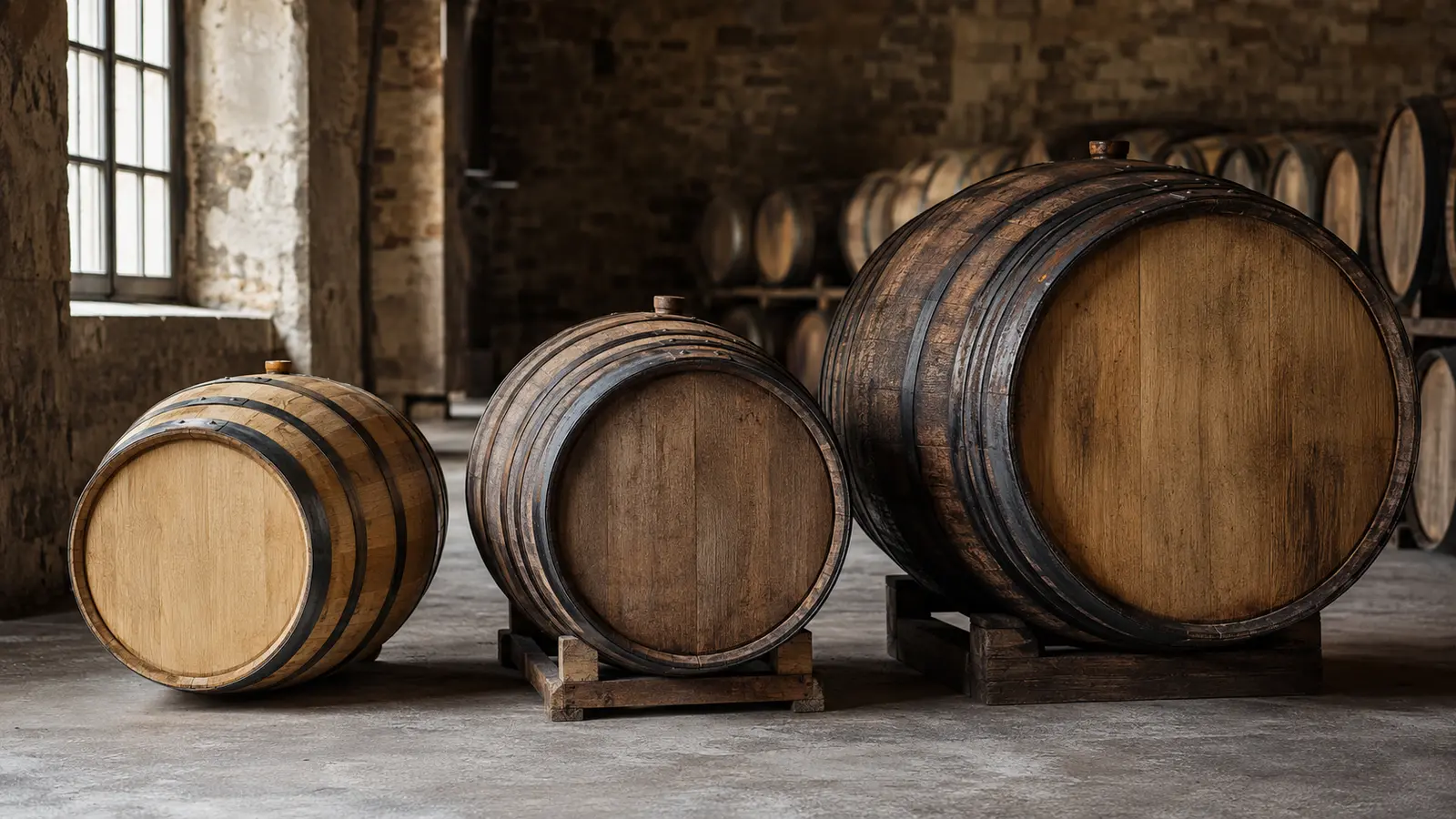
Compare provenance, age, wood type, measurements, rights, location, price and continuing costs.
Step 03
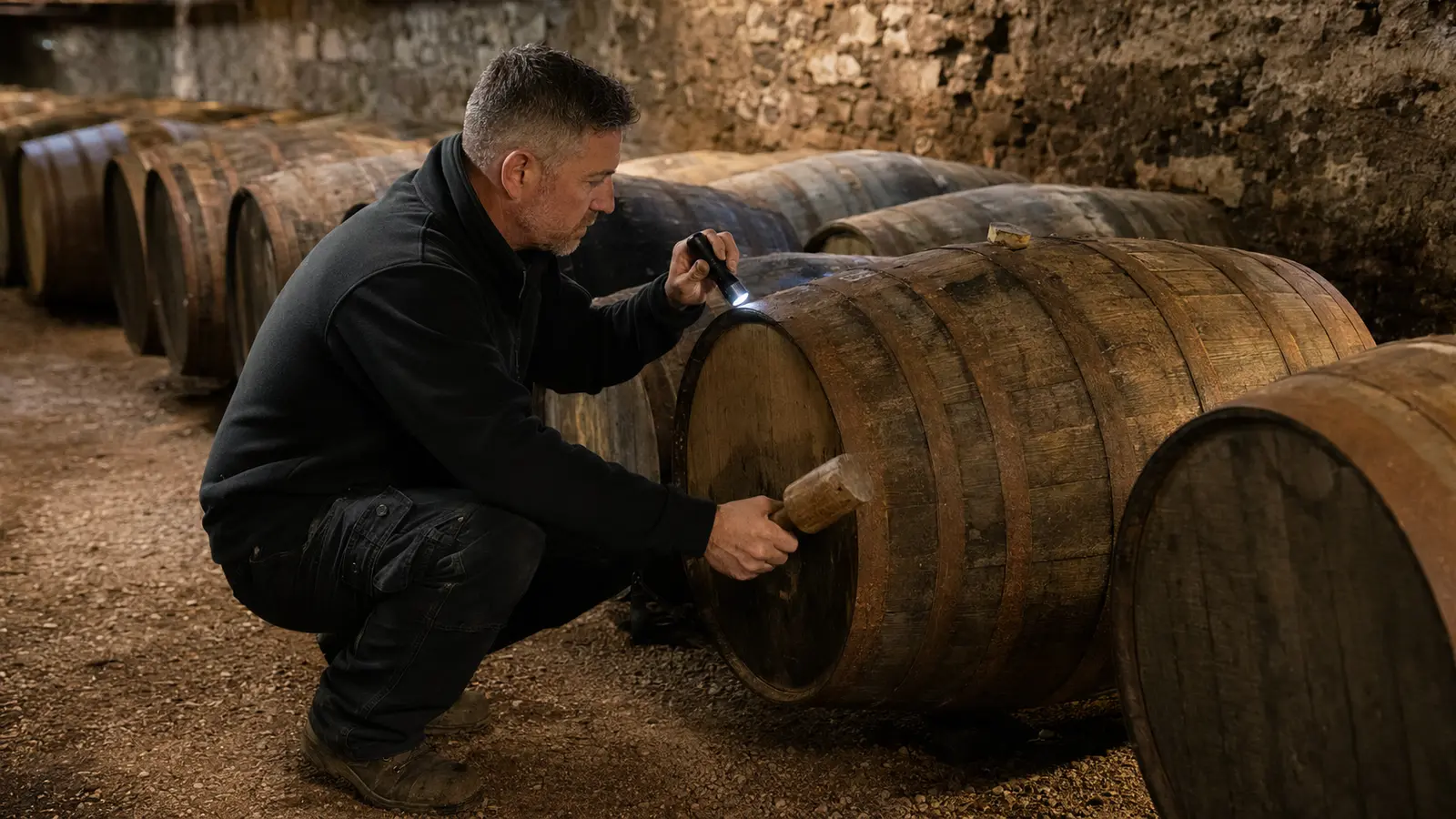
Complete Due Diligence
Review the seller, warehouse position, title documentation, contractual terms and any restrictions.
Step 04
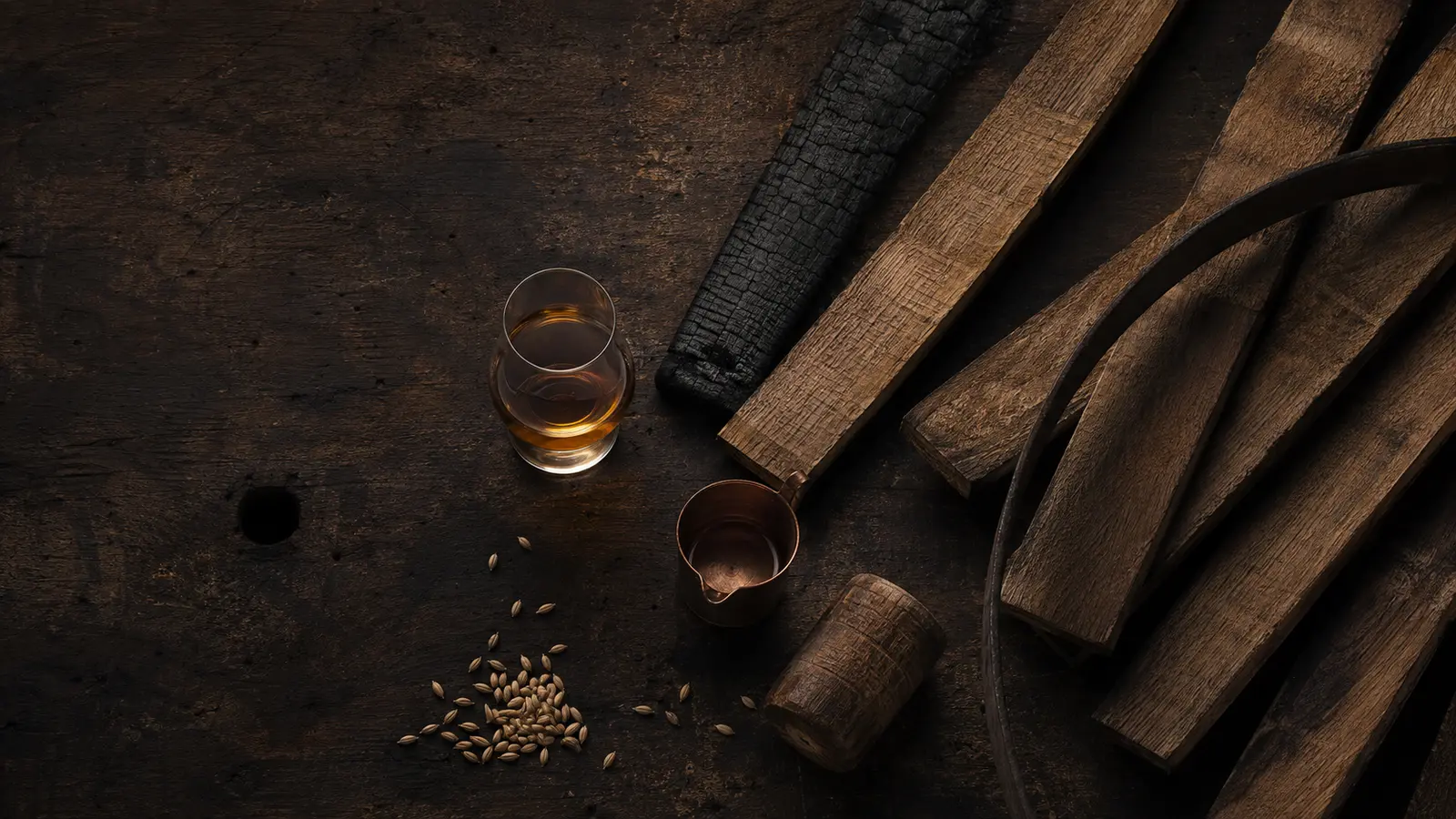
Purchase and Document
Complete the agreement, payment and ownership-record process required for the selected structure.
Step 05
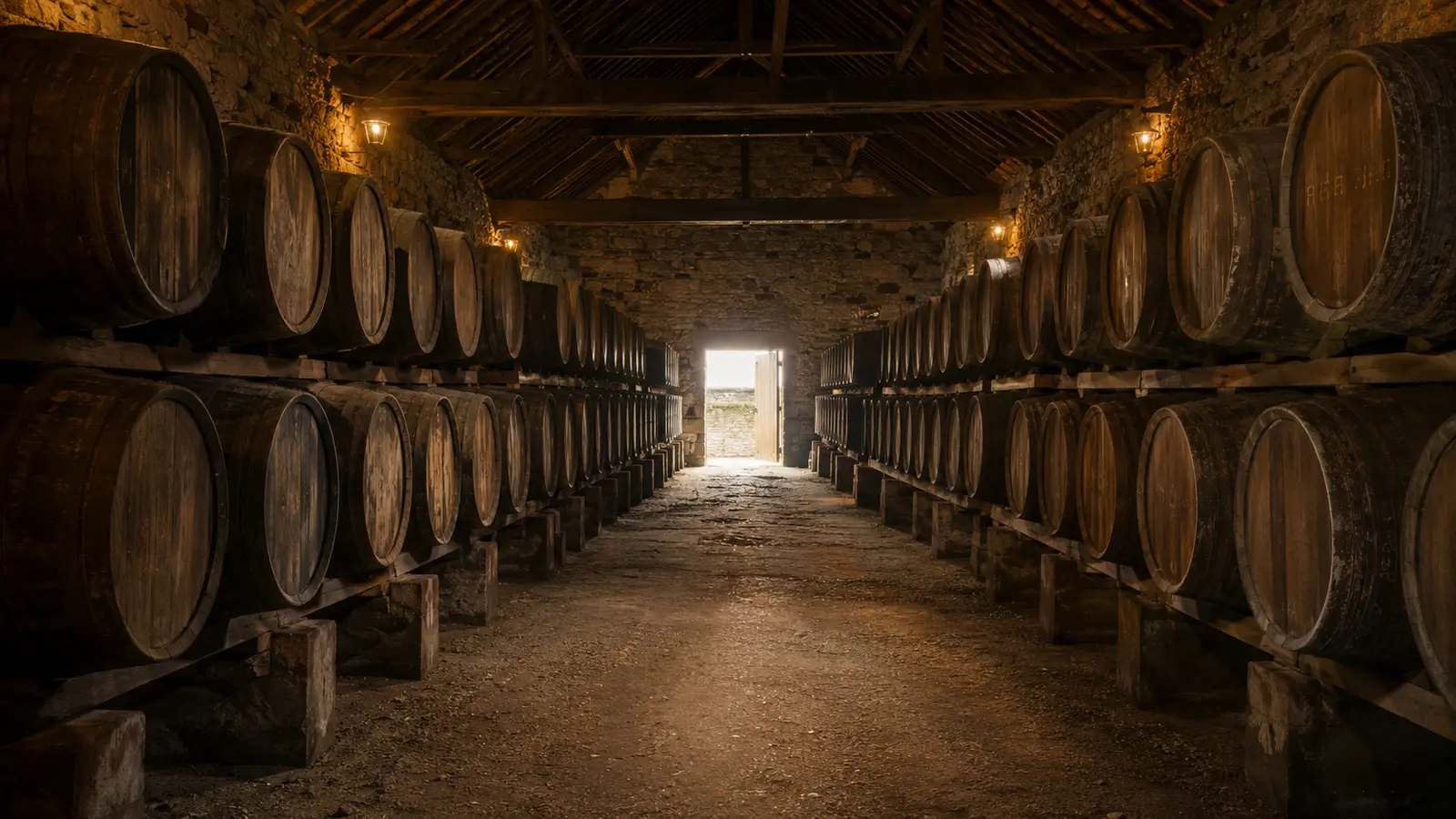
Store and Manage
Keep the cask in approved bonded storage with insurance and agreed management arrangements.
Step 06
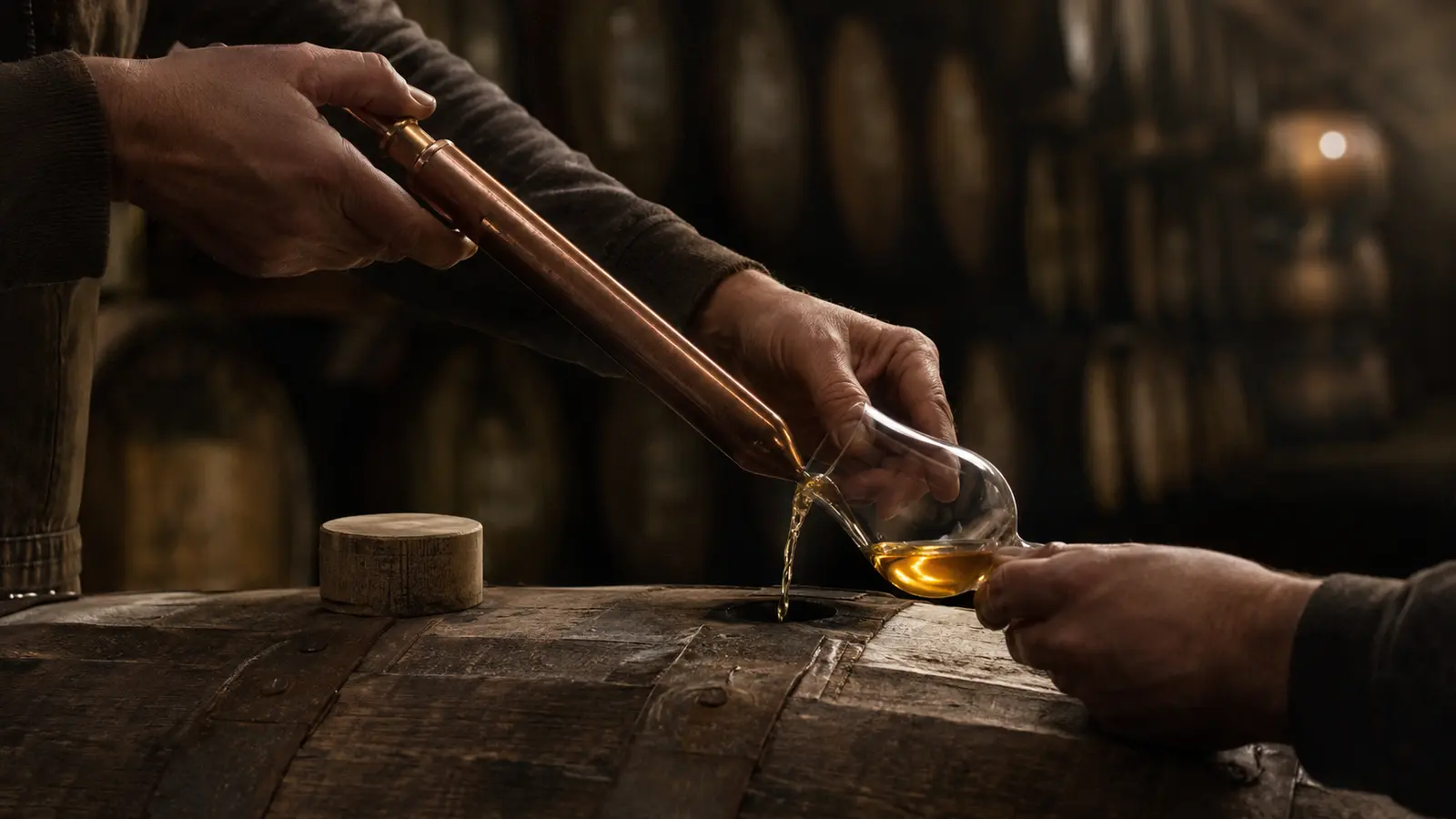
Monitor Maturation
Use samples and periodic regauges where appropriate; maturation does not follow a fixed or guaranteed trajectory.
Step 07
Choose a Future Route
Continue holding, seek a private or trade sale, or prepare the cask for bottling.
Before You Sign
Know What You Are
Agreeing To
Documents to Understand
What to Review Before Purchase
- Sale agreement and invoice
- Evidence identifying the specific cask
- Warehouse or duty-suspension position
- Storage and insurance terms
- Ownership acknowledgement or delivery-order arrangements
- Latest regauge or available cask measurements
- Naming, bottling and resale restrictions
Costs Beyond Purchase Price
What Buyers Should Budget For
- Storage and insurance
- Sampling and regauging
- Movement and reracking
- Bottling and packaging
- Duty and VAT on bottled product
- Brokerage and selling costs
- Export and delivery costs
WCG should disclose known charges and explain which future costs cannot yet be fixed.
What Ownership Does Not Mean
Important Limits
Every Buyer Should Know
Permission to use a distillery trademark on a bottle is not automatic — it requires contractual and trademark permissions.
A future buyer at a preferred price is not guaranteed — the market for individual casks can be illiquid.
A fixed future bottle yield cannot be predicted — volume loss continues through maturation.
Indefinite improvement is not assured — whisky can over-mature or develop undesirable characteristics.
Independent legal, financial and tax advice may be appropriate before purchase.
Ready to Begin
Begin with the Cask,
Not the Forecast
The right conversation starts with the specific asset and the client's objectives — not a generic percentage-return claim.
Important Risk Warning
Whisky casks are specialist, illiquid assets. Values can rise or fall. Returns are not guaranteed. An exit may take time and there may be no buyer at the preferred price. UK cask investments are generally unregulated. Capital is at risk. Independent financial, legal and tax advice should be obtained before purchase.